
Acid Shroomz » Shop » Magic mushroom spore syringes » Tampanensis Pollock Spore Syringe | Psilocybe tampanensis



€24.99
Explore the historic genetics of Tampanensis Pollock with this 10 ml Psilocybe tampanensis spore syringe, containing viable spores from the original Tampa-region lineage.
This rare species is best known for producing sclerotia — the dense storage structures commonly known as magic truffles or “Philosopher’s Stones” — in addition to its small, delicate mushrooms.
Our Tampanensis Pollock spore syringe contains 10 ml of sterile aqueous spore solution with viable Psilocybe tampanensis spores. Each syringe comes with a 40 mm 16G needle and is prepared under sterile conditions.
Unlike an isolated liquid culture, a spore syringe contains a broad genetic pool. As a result, it provides an interesting starting point for exploring Tampanensis Pollock genetics, discovering different phenotypes, and selecting your own isolates.
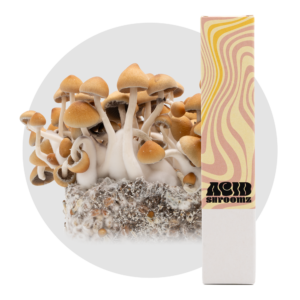
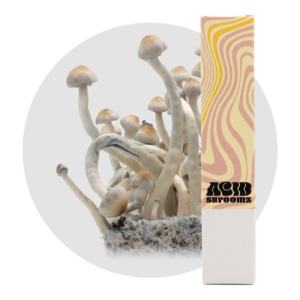
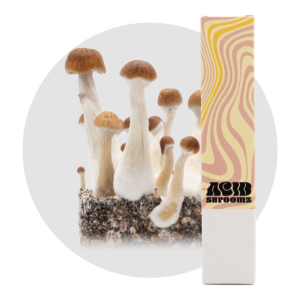
Psilocybe tampanensis produces small, delicate mushrooms that look noticeably different from the larger and more robust fruits commonly associated with Psilocybe cubensis.
The caps typically measure around 1–2.5 cm across. They start rounded to slightly pointed and gradually become broader and flatter as they mature. Their color ranges from yellow-brown to straw-brown and can become noticeably lighter as the caps dry.
Meanwhile, the slender stems generally reach 2–6 cm in length and range from whitish to yellowish-brown. Overall, mature P. tampanensis mushrooms have a much smaller and more delicate appearance than typical P. cubensis varieties.
The most distinctive characteristic of Psilocybe tampanensis is its ability to produce sclerotia in addition to mushrooms.
Sclerotia are compact structures formed by the mycelium to store nutrients. They are commonly known as magic truffles, although they are not actually true truffles. In other words, sclerotia is the correct biological term for what people commonly call magic truffles. In the case of P. tampanensis, they are also famously known as “Philosopher’s Stones.”
In nature, P. tampanensis grows in sandy grasslands, meadows, and other grassy soils. Interestingly, wild mushrooms of this species are extremely rare.
Tampanensis Pollock has a fascinating history that goes back to the original discovery of the species. Steven H. Pollock discovered and cloned a specimen near Tampa, Florida. Together with Gastón Guzmán, he officially described Psilocybe tampanensis as a new species in 1978. The name tampanensis refers to its Tampa origin.
The original Florida collection became the foundation of the Pollock genetics that remain in circulation today. Therefore, this strain has a direct connection to the original material rather than being a more recent selection given the Tampanensis name.
Because P. tampanensis is rarely found in the wild, this original connection and long history make Tampanensis Pollock a particularly interesting genetic line to preserve and explore.
| Suitable substrates | Sterilized grains like millet, brown rice, and rye. |
| Colonization time | 20-30 days (2/3 filled liter jar / 27°C / shaken at 25-33% colonization) |
| Temperature | 25-27°C |
| Light | Low light or darkness. |
When handling the Tampanensis Pollock spore syringe, it is crucial to follow proper safety precautions to avoid contamination and ensure a successful growth process. Here are some general guidelines to keep in mind:
For more in-depth information, visit our blog.
Consider using a flow hood or a still air box (SAB) for added sterility during substrate inoculation.
This product has a limited shelf life and is non-returnable. For more information, see our page on reflection period and returns.

Reviews
There are no reviews yet