
Acid Shroomz » Shop » Magic mushroom spore syringes » Galindoi ATL#7 Spore Syringe | Psilocybe galindoi


€24.99
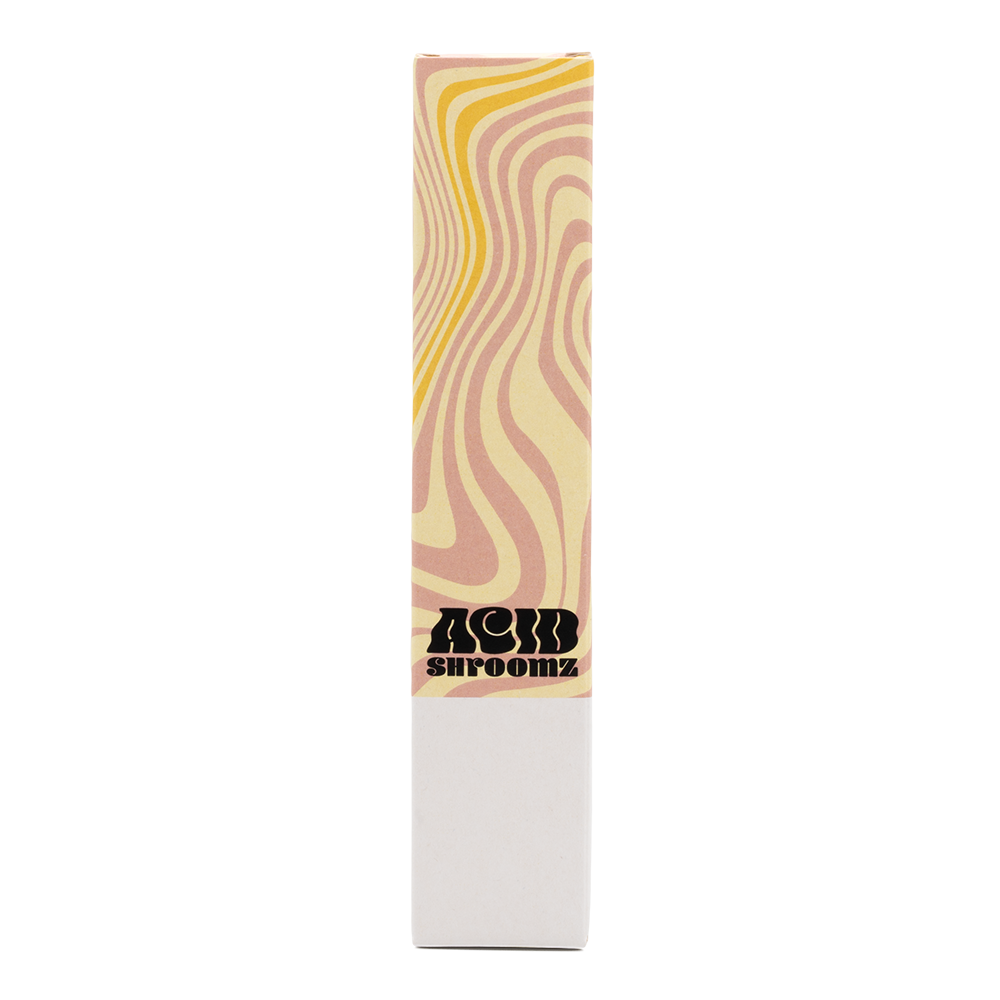
Explore the original early-2000s genetics of Galindoi ATL#7 with this 10 ml Psilocybe galindoi spore syringe.
This rare Mexican strain is famous for producing large sclerotia — the dense storage structures commonly known as magic truffles — while its multispore genetics provide plenty of variation for discovering phenotypes and selecting your own isolates.
Our Galindoi ATL#7 spore syringe contains 10 ml of sterile aqueous spore solution with Psilocybe galindoi spores. Each syringe comes with a 40 mm 16G needle and is prepared under sterile conditions.
Unlike an isolated liquid culture, a spore syringe contains a broad genetic pool. As a result, it provides an interesting starting point for exploring ATL#7 genetics, discovering different phenotypes, and selecting your own isolates.
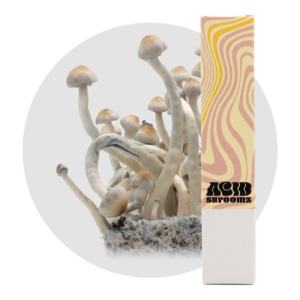
Psilocybe galindoi produces small and delicate mushrooms with relatively broad caps compared with their slender stems.
The caps typically measure around 0.5–2.5 cm across. Their smooth surface can change appearance depending on moisture levels, becoming lighter as it dries.
Meanwhile, the thin, fragile stems typically reach around 4–9 cm in length and have a yellowish coloration. Handling or damaging the stems can cause noticeable blue bruising.
One of the defining characteristics of Galindoi ATL#7 is its ability to produce relatively large sclerotia.
Sclerotia are compact structures formed by the mycelium to store nutrients. They are commonly known as magic truffles, although they are not actually true truffles. In other words, sclerotia is the correct biological term for what people commonly call magic truffles.
In nature, P. galindoi is associated with nutrient-rich soils, moss, and grassy plant material in humid environments.
Galindoi ATL#7 is one of the best-known sclerotia-forming Psilocybe strains in circulation. The species originates from Nuevo León, Mexico, and Gastón Guzmán formally described it in 1978. He named the species in honor of Dr. Efrén Galindo.
The ATL#7 genetics offered here trace back to the original strain that entered circulation in the early 2000s. This is particularly noteworthy because this original genetic line has become increasingly difficult to find, with other genetics sometimes appearing under the same or similar names.
For anyone interested in exploring less common Psilocybe genetics, ATL#7 therefore offers an opportunity to work with an established and historically significant Mexican genetic line rather than another P. cubensis variety.
| Suitable substrates | Sterilized grains like millet, brown rice, and rye. |
| Colonization time | 20-30 days (2/3 filled liter jar / 27°C / shaken at 25-33% colonization) |
| Temperature | 25-27°C |
| Light | Low light or darkness. |
When handling the Tampanensis Pollock spore syringe, it is crucial to follow proper safety precautions to avoid contamination and ensure a successful growth process. Here are some general guidelines to keep in mind:
For more in-depth information, visit our blog.
Consider using a flow hood or a still air box (SAB) for added sterility during substrate inoculation.
This product has a limited shelf life and is non-returnable. For more information, see our page on reflection period and returns.

Reviews
There are no reviews yet